
Preserving Jenner’s Hut: Restoring the Thatched Roof of the Birthplace of Vaccination
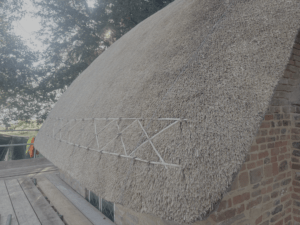
In a quiet corner of Gloucestershire sits a building that changed the course of human history. Known as Jenner’s Hut, this modest structure is recognised as the birthplace of vaccination, where Dr Edward Jenner carried out the pioneering work that would go on to save hundreds of millions of lives.
Today, that same building has been carefully restored by The Master Thatchers Ltd, bringing new life to a roof that protects one of the most important sites in medical history.
For Michael, the project was about far more than routine work. It was about stepping into a moment in time and playing a part in preserving it for future generations.
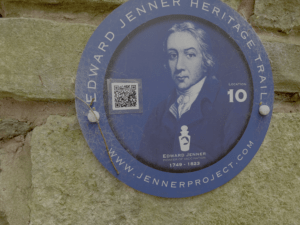
A Historic Thatched Roof Project in Gloucestershire
The opportunity came unexpectedly. After reading that the hut was at risk of falling into disrepair, Michael felt compelled to act. Rather than watching from a distance, he reached out directly to the Jenner Trust. What followed was a swift and collaborative effort to ensure the building received the attention it deserved.
Despite the historical importance of the building, the work itself unfolded smoothly. The project was approached with care and confidence, delivering a traditional finish that remains true to the building’s heritage. Using combed wheat reed, one layer of ageing thatch was removed before a fresh coat was applied, carefully secured with hazel spars.
Michael also worked alongside fellow Guild member, Miles Colegrave of Colegrave Thatching, on the project, with both thatchers bringing their experience together to ensure the work was completed to a high standard while respecting the building’s historic importance.
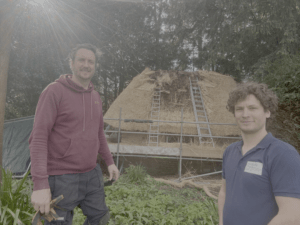
Traditional Thatching Techniques and Craftsmanship That Stand the Test of Time
That authenticity is key. Thatching is a craft that has stood the test of time, with techniques that have remained largely unchanged for centuries. In this case, those same methods have been used to ensure the hut continues to reflect its original character while benefiting from renewed protection against the elements.
Attention to detail extended beyond the roof itself. It was recommended that surrounding trees be cut back to allow more sunlight to reach the thatch. This helps the roof dry more efficiently after rainfall, supporting its long-term durability.
While the physical work may have been straightforward, the setting brought its own unique experience. Situated within a museum, the project drew the attention of visiting school groups, with Michael answering questions from curious young minds. It turned the restoration into more than just a project, but a chance to bring history to life.
For Michael, this type of work highlights what makes the trade so rewarding. The ability to be hands on with history and contribute to its preservation is something few professions can offer.
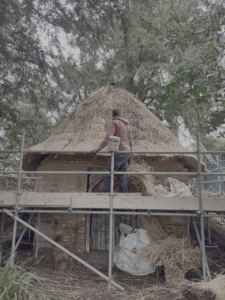 Preserving Traditional Thatching Skills for Future Generations
Interestingly, while the project holds global significance, the scale of the work itself was modest. Completed in just three and a half days, it highlights an important point. Whether working on a small historic hut or a large thatched property, the same level of care, pride and attention is applied.
This consistency reflects the values upheld by the Guild. A commitment to maintaining high standards and recognising businesses that approach every project with professionalism and integrity.
The project also brings into focus the importance of preserving traditional skills. Thatching is part of the cultural fabric of Britain, contributing to the character and charm of its buildings. In an era where construction often prioritises cost and speed, traditional methods offer lasting visual and practical benefits, including natural insulation and sustainability.
After 18 years in the trade, Michael still finds a strong sense of satisfaction in completing a well-crafted roof. That passion is clear in the quality of the work delivered.
Through the restoration of Jenner’s Hut, The Master Thatchers Ltd has helped safeguard a significant piece of history. It stands as a strong example of skilled craftsmanship, respect for heritage and a commitment to doing things properly.